Meta • Ray-Ban Gen 2
Meta x Ray-Ban Smart Glasses Gen 2: A Week in the Real World
When the first generation of Meta Ray-Ban smart glasses came out, I didn’t care. Glasses with a camera and speakers felt like a gimmick—something that existed just because it could. But then I saw other creators using them for first-person unboxings, and something about that perspective grabbed me. So when the Gen 2 models launched, the channel was further along, the budget had a bit more breathing room, and I decided to give them a shot.
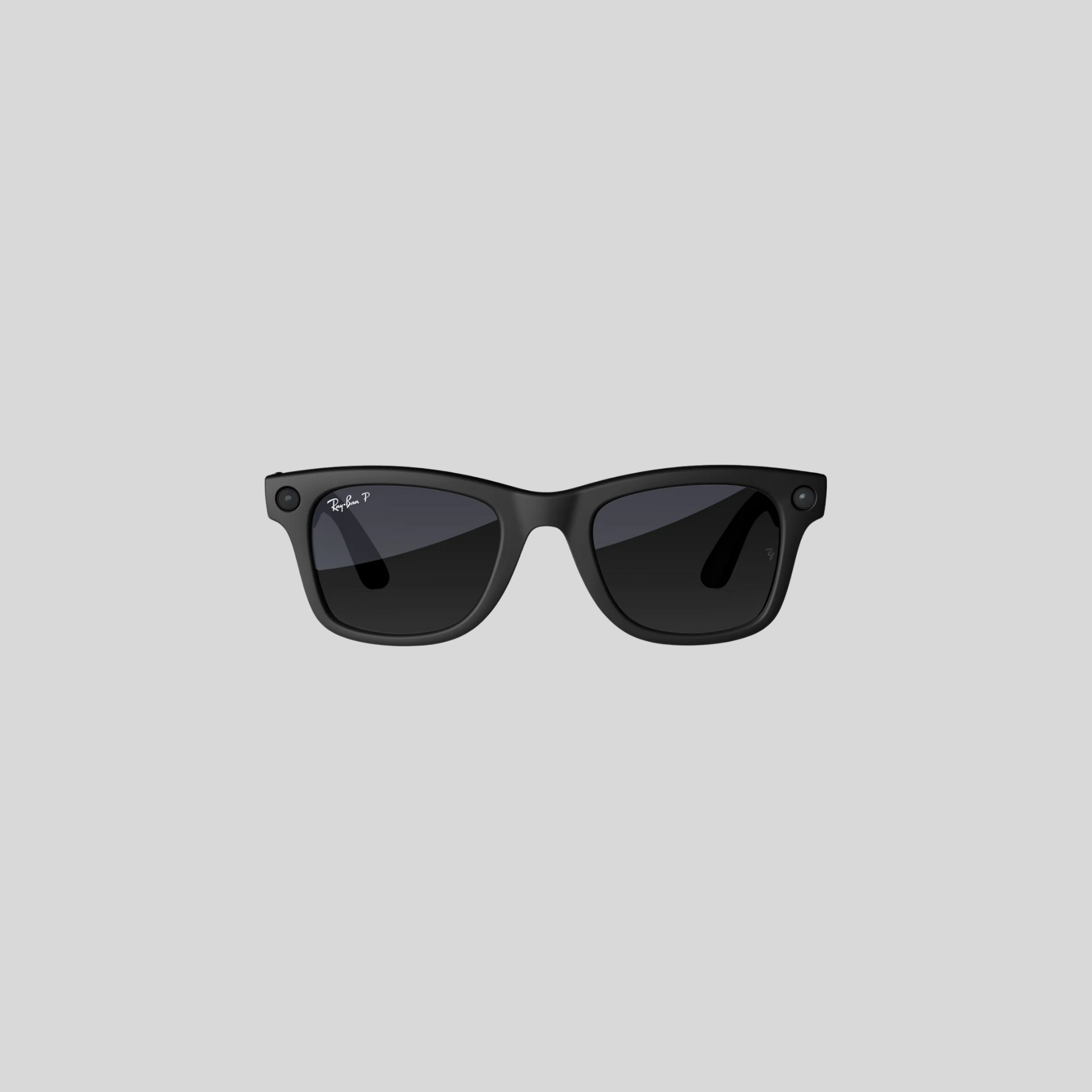
I picked up the Shiny Black Wayfarer Wide version with transition lenses—not my ideal fit, but it’s what I could get shipped quickly for a family trip to Dollywood.
First Impressions
The first thing that surprised me was how good the photo and video quality is. Shots straight from the glasses are vibrant—sometimes too vibrant—but overall sharp and detailed. It’s wild how capable these little cameras are. Being able to capture moments hands-free, like a quick video of my kids or a snapshot during a roller coaster line, without pulling out my phone, was a genuinely great experience.
The transfer process was smooth, too. Through the Meta View app, I could instantly pull photos onto my phone, drop them into our family photo album, and move on with the day. For quick, everyday documentation, these glasses make the whole process frictionless.
Design and Fit
Here’s where things got tricky. These wide frames are simply too big for my face. They don’t look terrible, but they feel large—like they’re squeezing just enough to give me a small headache after a while. That could’ve been stress from wrangling kids at an amusement park… but I’m pretty sure it was the glasses.
I also realized my nose bridge sits low, which meant I was often looking underneath the lens area rather than through it. I kept pushing them up higher just to get the right field of view. It’s not a dealbreaker, but it reminded me that fit matters even more when tech is involved.
That said, the build quality is decent. The plastic feels a bit sharp where the pieces meet, which is strange coming from a brand like Ray-Ban, but otherwise they’re light, sturdy, and not much thicker than a regular pair of sunglasses.
Everyday Use
The experience of using these in real life is where they shine and stumble. The camera quality is impressive, the microphones pick up clear audio, and the speakers that direct sound down toward your ears actually sound pretty great.
But here’s the weird thing: tech like this still feels self-contained. If I took a video of my kids and wanted to show my wife, I couldn’t just play it back—because the sound was still connected via Bluetooth to the glasses. She couldn’t hear it unless I manually disconnected them.
And that got me thinking: so much of modern tech is designed for me. My view, my voice, my experience. But the moment you want to share that with someone else, there’s friction. A tiny example, sure—but it says a lot about where wearable tech still falls short.
Software and AI Features
The app itself is fine for importing photos and videos, but it’s cluttered. When you open it, you’re greeted not by your content—but by a social-style feed of AI-generated videos. They’re not even necessarily from the glasses.
I played around with it, made a few weird AI clips of myself turning into a cyberpunk character (don’t ask), but it felt gimmicky. It’s fun for five seconds, then it’s just… there, taking up space.
Battery and Everyday Practicality
Battery life was solid enough for casual use throughout a day at the park. My main concern isn’t battery life, though—it’s the habit of remembering to charge them. For someone who doesn’t wear glasses full-time, it’s easy to forget they even exist. And if I forget to charge them, they just become a pair of $500 sunglasses.
That said, if you do wear glasses every day, I think this product makes total sense. You’re already wearing them—why not have them record, take calls, or play music? It’s a small leap toward truly integrated tech.
The Bigger Picture
For me personally, I’ll probably return these and try the other frame style (the more rounded ones). I love the concept. I love that they can record memories in the moment. But the fit and the finish don’t feel quite right.
That said, the idea of wearable, camera-equipped, AI-powered glasses feels like the start of something bigger. Meta already teased their next version with an actual screen—a bold (and expensive) move toward augmented reality. We’ll definitely be testing those when they drop.
Final Thoughts
If you already wear glasses daily, these are fantastic. They’re comfortable enough, they capture high-quality media, and they blend tech into something you already use. But if you don’t wear glasses—or you’re like me and rarely wear sunglasses—they might end up in a drawer after the novelty fades.
Still, it’s worth saying: these are the first smart glasses I’ve actually enjoyed using. The idea isn’t perfect yet, but the experience of documenting life without a phone in your hand? That’s worth something.
Thanks for reading. On Form + Function, we talk about tech that marries design and utility—products that make life better and look good doing it.
If that’s your thing, stick around.
